
Insurance FAQ.
Straight answers to common Florida insurance questions.
Common questions.
Browse by topic or reach out for personalized guidance.
Working with an independent agency
How DTRT Insurance Group is different from a captive agent or a call center.
What is an independent insurance agency?
An independent agency is appointed with many carriers instead of one. We shop your risk across those markets, compare coverage and price, and place the policy with the carrier that fits best. If that carrier raises rates or tightens eligibility later, we can move you without you starting over.
Does it cost more to buy through an agency?
No. Carrier rates are filed with the Florida Office of Insurance Regulation, so the same policy costs the same whether you buy it direct or through us. Our compensation comes from the carrier, not an added fee.
What areas does DTRT Insurance Group serve?
We are licensed throughout Florida, with offices in Coral Springs, Deerfield Beach and Homestead. You can find office details and directions on our Locations page.
Can you review my current policies even if I bought them elsewhere?
Yes. A coverage review is free and usually surfaces gaps, missing discounts or limits that no longer match the value of what you own.
How do I get a quote?
For home, condo, flood and mobile home you can quote online in a few minutes. For auto, business, life, umbrella and specialty coverage, submit the quote form and a licensed advisor will shop multiple carriers and follow up.
Coverage basics
The terms that show up on every policy, in plain language.
What is a deductible?
The amount you pay out of pocket on a covered claim before the insurer pays. Higher deductibles lower your premium but increase what you absorb at claim time. Florida property policies usually carry two: a hurricane deductible expressed as a percentage of the dwelling limit, and a lower flat all-other-perils deductible.
What is the difference between replacement cost and actual cash value?
Replacement cost pays what it costs to replace the item today. Actual cash value pays replacement cost minus depreciation. The gap is largest on roofs, older contents and vehicles.
What is a coinsurance clause?
It requires you to insure property to a stated percentage of its value. If your limit falls below that threshold, the insurer pays only a proportional share of a partial loss. It appears most often on commercial property policies.
What does an exclusion mean?
An exclusion is a peril or situation the policy will not pay for — flood on a homeowners policy, wear and tear, intentional acts. Some exclusions can be bought back by endorsement; others require a separate policy.
How much liability coverage should I carry?
Enough to protect your assets and future income, not just the state minimum. A practical approach is to raise home and auto liability to the carrier's higher limits and then add an umbrella policy over the top, which is usually the least expensive way to add protection.
Florida-specific questions
Hurricanes, flood zones, roofs and the state market.
Why is insurance more expensive in Florida?
Florida combines dense coastal development, hurricane and flood exposure, high rebuild costs and elevated claim and litigation activity. Reinsurance — the coverage carriers buy to fund catastrophe losses — is also priced higher for Florida risk, and that cost flows into premiums.
Can I buy or change coverage when a storm is in the forecast?
Generally no. Carriers place binding restrictions once a tropical storm or hurricane watch or warning is issued for the area, and NFIP flood policies typically carry a 30-day waiting period. Review coverage well before hurricane season, not during it.
What is a wind mitigation inspection?
It is an inspection documenting features that help a home resist wind: roof covering and deck attachment, roof-to-wall connections, roof shape, secondary water barrier and opening protection such as impact glass or shutters. Florida carriers are required to offer discounts for qualifying features, and the credits often exceed the cost of the inspection.
Do I need flood insurance if my home is not in a high-risk zone?
It is worth quoting. FEMA reports that flooding occurs outside mapped high-risk zones as well, and premiums in moderate- to low-risk areas are generally much lower. Flood is never covered by a homeowners policy. See our flood insurance page for details.
What happens if my carrier leaves Florida or does not renew me?
You will receive advance notice of nonrenewal under Florida law. Bring it to us as soon as it arrives so we can re-shop the market before the expiration date and avoid a lapse, which affects both eligibility and price.
Claims, billing and policy service
What to do after a loss and how to make changes to your policy.
How do I file a claim?
Report the loss to your carrier as soon as it is safe to do so, document the damage with photos, and make reasonable temporary repairs to prevent further damage. Contact us and we will help you open the claim and follow it through. You can also start the process from our customer service page.
Will filing a claim raise my rates?
It can, depending on the type of claim, the amount paid and your prior history. For losses close to your deductible, it is worth discussing the tradeoff before you file.
How do I get proof of insurance or a certificate?
Request it from our customer service page. Auto ID cards and evidence of property insurance are usually issued the same business day, and commercial certificates typically go out within hours once coverage is in force.
How do I change my mortgage company on my policy?
Send us the new lender's mortgagee clause and loan number through the customer service form and we will submit the endorsement to the carrier. Escrow-billed policies also need the new servicer notified so the premium is paid on time.
Can I bind, change or confirm coverage by email, text or voicemail?
No. No coverage can be bound, amended or confirmed through digital communication. Every policy change requires confirmation from a licensed DTRT Insurance Group representative, and endorsements remain pending until our team confirms them.
How do I pay my premium?
Most premiums are paid directly to the carrier. Our payments page lists each carrier with its payment instructions and portal.
Coverage for
every part of
your life.
We shop top carriers to find the right protection at the right price.
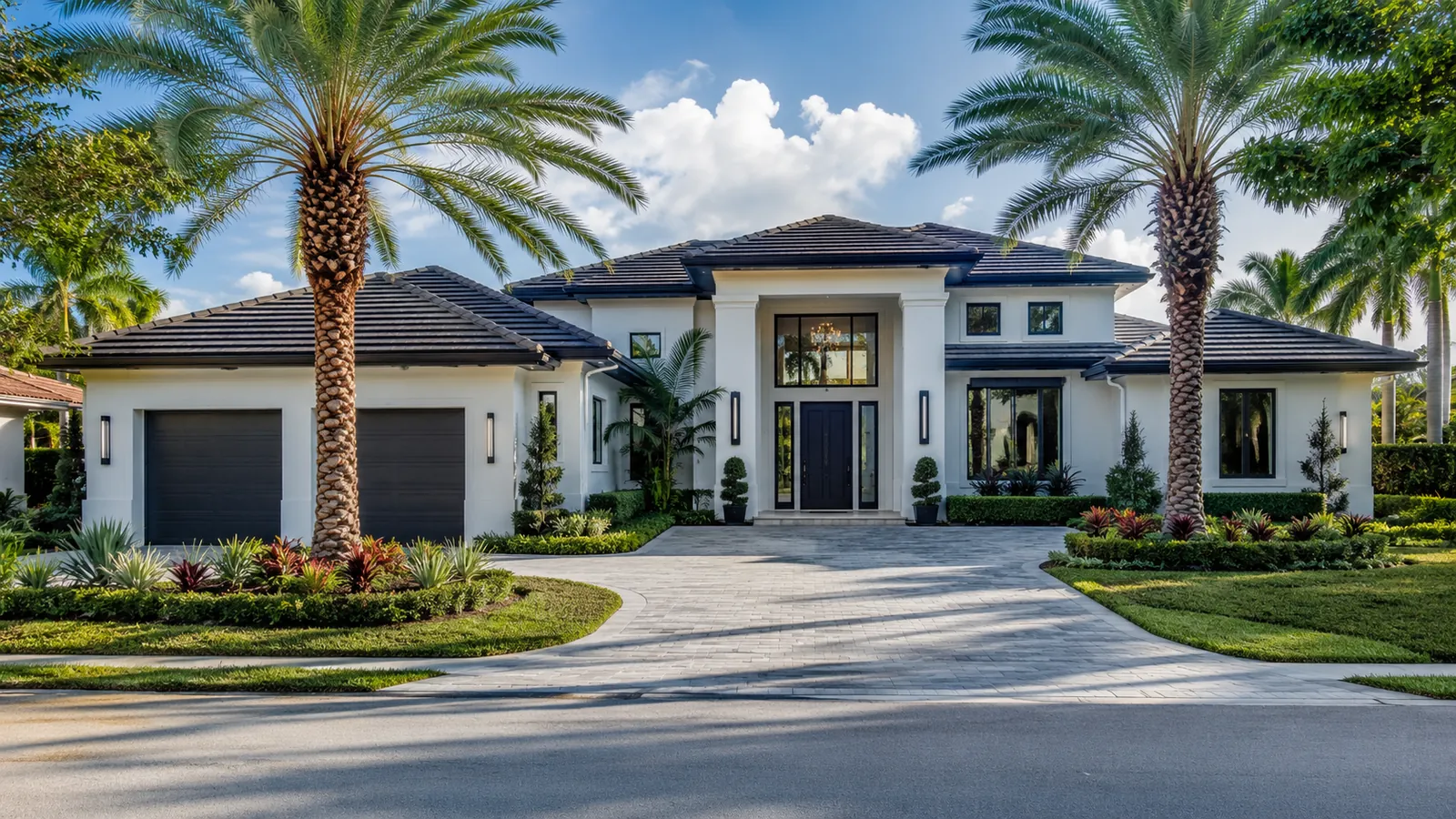
Home Insurance
Protect your home and everything inside it.

Auto Insurance
Reliable coverage for you and your vehicle.
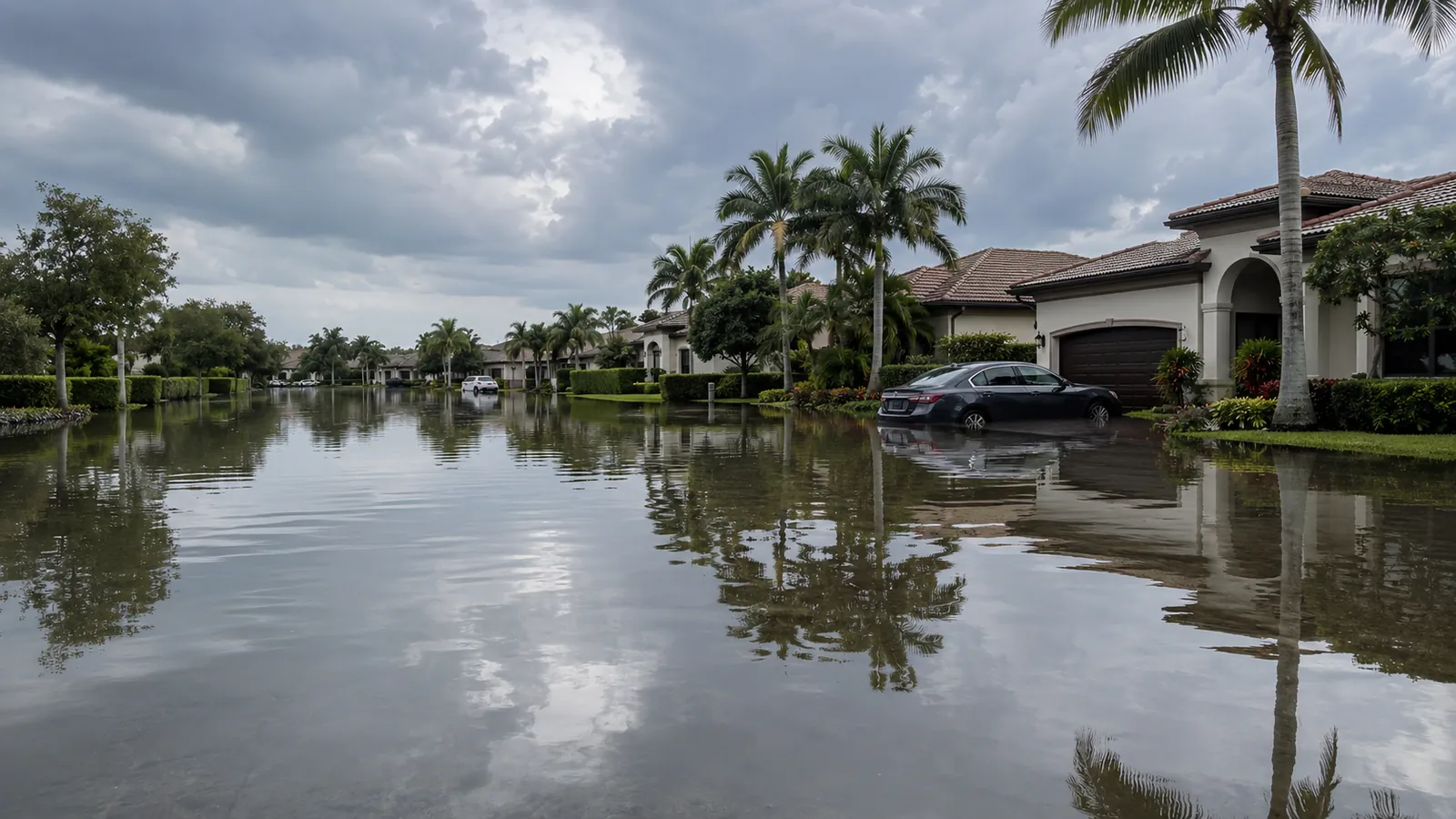
Flood Insurance
Protection for the unexpected.

Condo Insurance
Coverage for your unit and personal belongings.
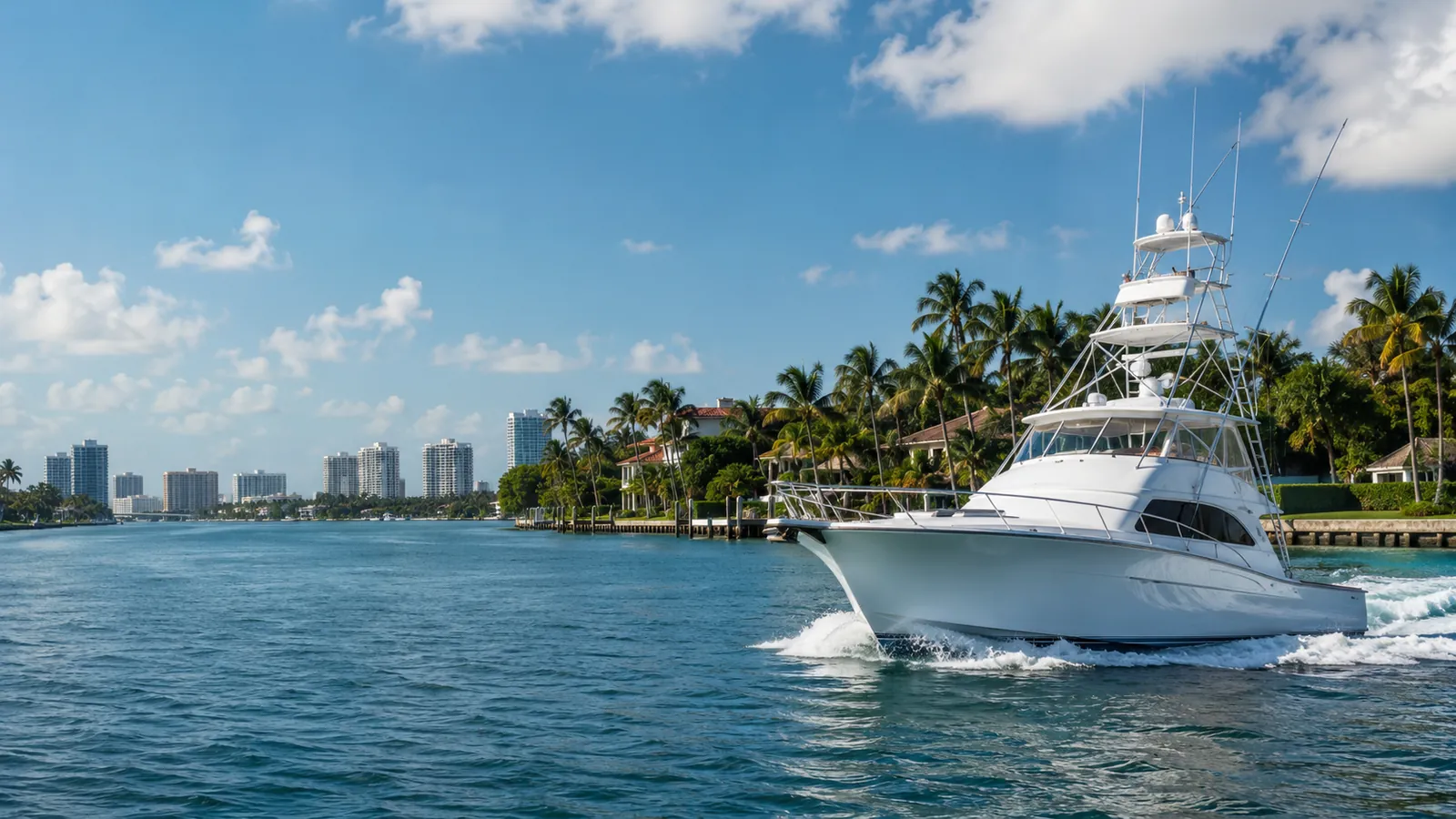
Boat Insurance
Enjoy the water with confidence.
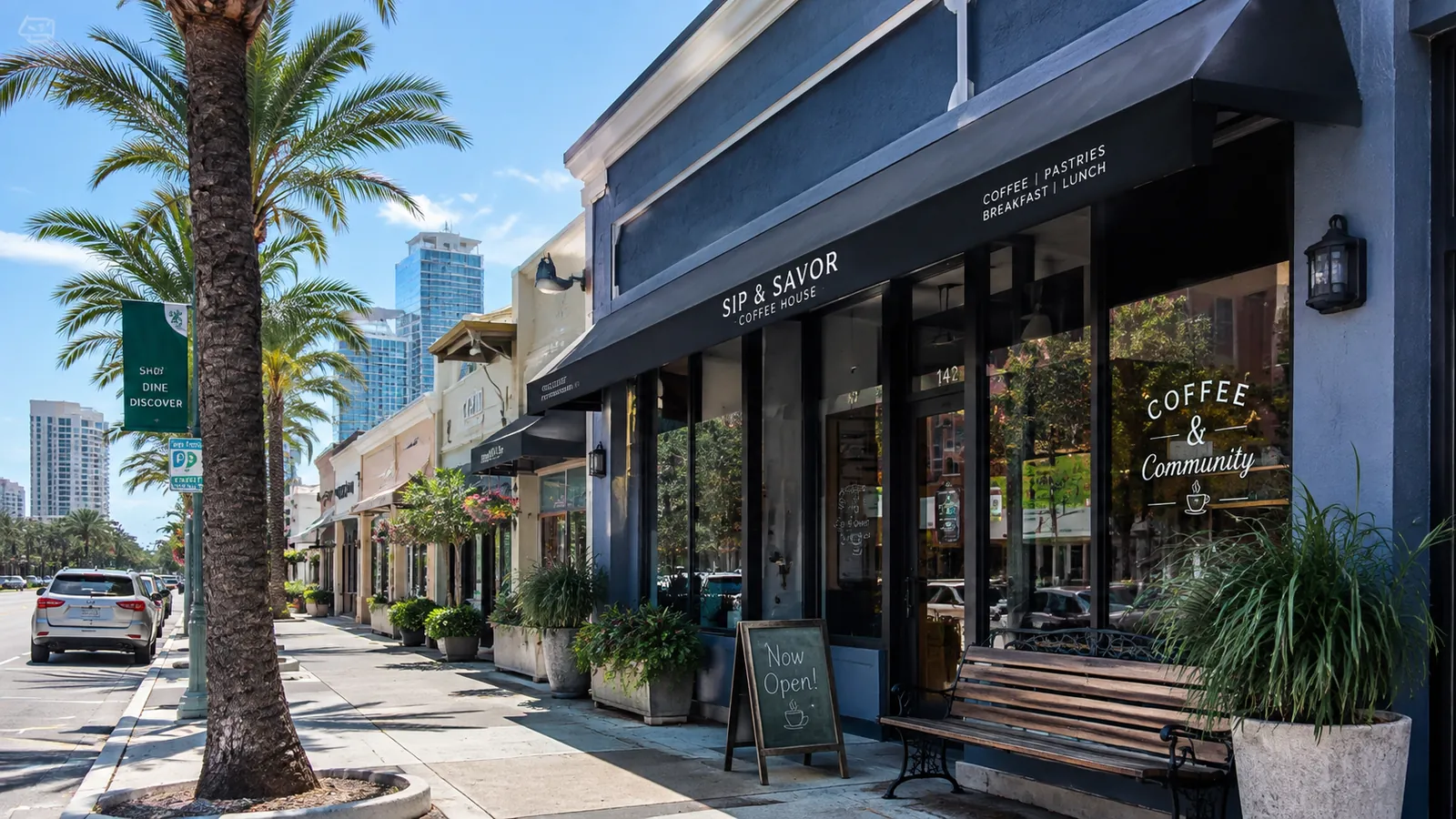
Business Insurance
Solutions to protect your business and your future.

Group Insurance
Group health and employee benefits built around your business.

Life Insurance
Help protect your family's tomorrow.

Umbrella Insurance
Extra liability coverage when you need it most.