
Flood Insurancedone the right way.
Get real Florida flood insurance pricing in about 60 seconds. DTRT gives you instant access to dozens of leading insurance carriers and markets.
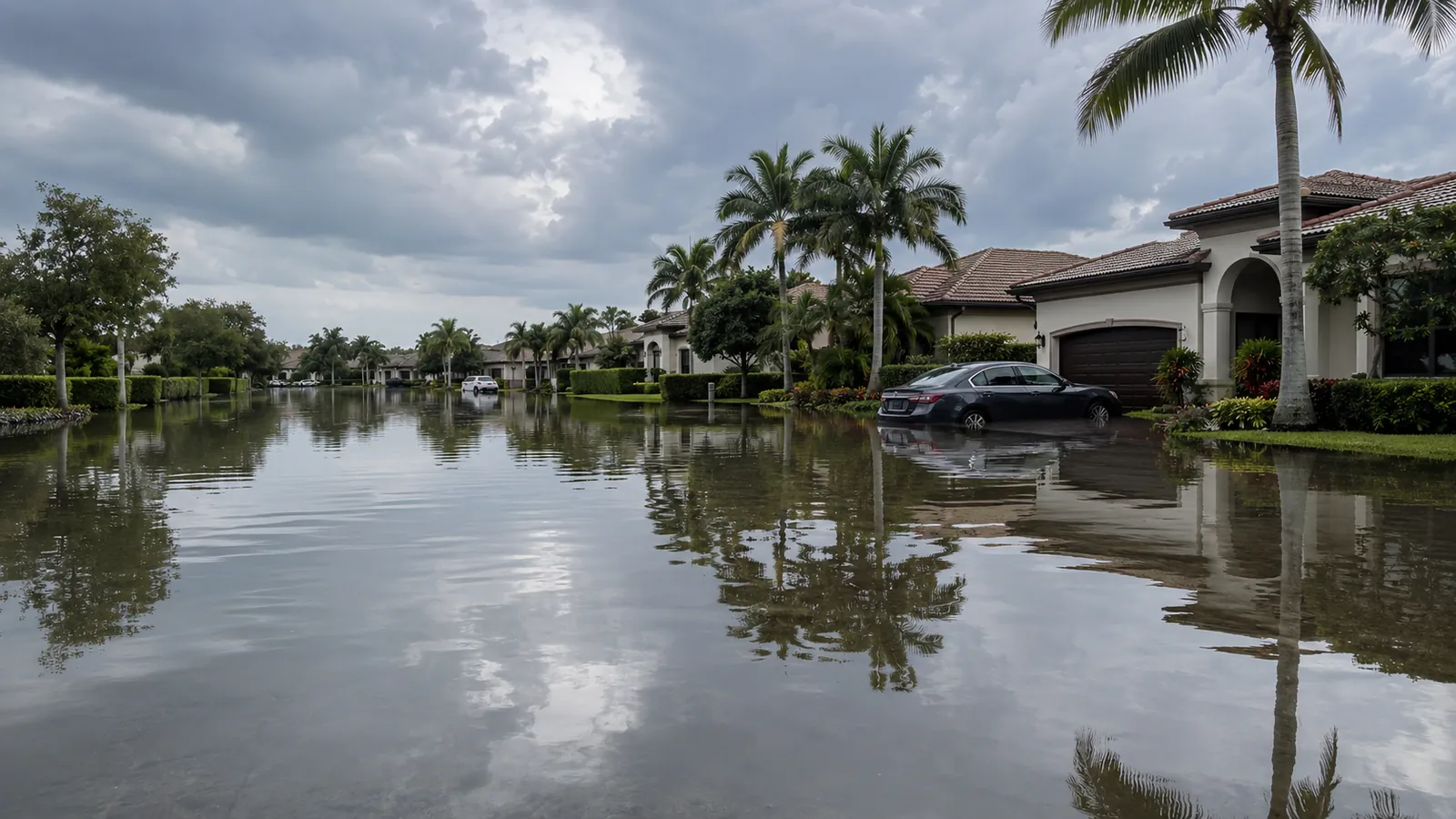
What a Florida
flood policy covers.
Every situation is different. We build the policy around yours.
Building Coverage
Foundation, walls, electrical, plumbing and permanently installed fixtures.
Contents Coverage
Furniture, electronics, clothing and other personal belongings.
Storm Surge
Coastal surge and rising water that a homeowners policy excludes.
Heavy Rainfall
Flash flooding and overflow from inland water sources.
Debris Removal
Cleanup costs after floodwaters recede.
Private Flood Options
Higher limits and faster underwriting than standard NFIP policies.
What's usually not included in your insurance, but we may be able to get you coverage.
Temporary housing
NFIP policies do not pay for hotels or additional living expenses.
Outdoor property
Landscaping, pools, decks and fences are typically excluded.
Basement finishes
Below grade improvements and belongings have very limited coverage.
Tell us your address
Enter your address and a few quick details about what you're insuring.
Get immediate quotes
Our online rate quoter compares top rated Florida carriers instantly.
You choose with confidence
We walk you through options, deductibles and discounts.

Let's cover what water can do.
- NFIP and private carrier options
- Flood zone review included
- Coverage often starts in 30 days
Get started with a free quote.
Flood insurance questions.
Common questions about Florida flood insurance policies
Do I need flood insurance if I'm not in a flood zone?
Often yes. FEMA notes that flooding can and does happen outside mapped high-risk zones, and a substantial share of NFIP claims come from moderate- to low-risk areas (see FEMA's flood insurance guidance at floodsmart.gov). Coverage in those areas is generally far less expensive, which is why we quote it for almost every Florida client.
Is flood insurance required?
Lenders require it for homes in FEMA high risk zones. Elsewhere it's optional but highly recommended in Florida.
How long until my policy takes effect?
NFIP policies usually carry a 30-day waiting period. Private flood policies can bind much faster — don't wait for a storm in the forecast.
What does flood insurance cost?
It depends on your flood zone, elevation, foundation type, the building and contents limits you select and your deductible. Properties in moderate- to low-risk areas are usually the least expensive; coastal and high-risk locations cost considerably more. We compare NFIP against private flood markets so you see both.
What is the difference between NFIP and private flood insurance?
NFIP is the federal program administered by FEMA, with standardized coverage and building/contents limits. Private flood carriers can offer higher limits, additional living expense coverage, shorter waiting periods and sometimes lower pricing, but availability varies by property. We quote both and show you the comparison.
What does flood insurance cover — and what does it not?
Flood policies cover the building structure and, if elected, your contents when water rises from outside. They generally exclude the land itself, most landscaping, swimming pools, vehicles (covered under auto comprehensive) and, on NFIP policies, additional living expenses. Basement and below-grade contents coverage is limited.
How do I find my flood zone?
FEMA publishes Flood Insurance Rate Maps and a public lookup on msc.fema.gov. Zones beginning with A or V are considered high risk and typically trigger a lender requirement; X zones are moderate to low risk. Zone alone does not determine your rate under FEMA's Risk Rating 2.0 methodology, which also considers distance to water, elevation and rebuild cost.
Does homeowners insurance ever cover flooding?
No. Rising water, storm surge and surface flooding are excluded from every standard homeowners policy in Florida. This is the most common and most expensive coverage gap we see.
Can renters buy flood insurance?
Yes. Renters can buy contents-only flood coverage to protect belongings without insuring the building, which the owner covers.